More programs, more promise — but is the pipeline ready?
The Sapphire Golf Tour examines the explosive growth of HBCU women’s golf programs, what it signals about the future of the sport, and why sustainable infrastructure matters more than ever.
A quiet revolution on the fairway
Over the past two years, the number of women’s golf programs at Historically Black Colleges and Universities has grown by more than 200 percent. Read that again. Not incrementally. Not gradually. Over 200 percent.
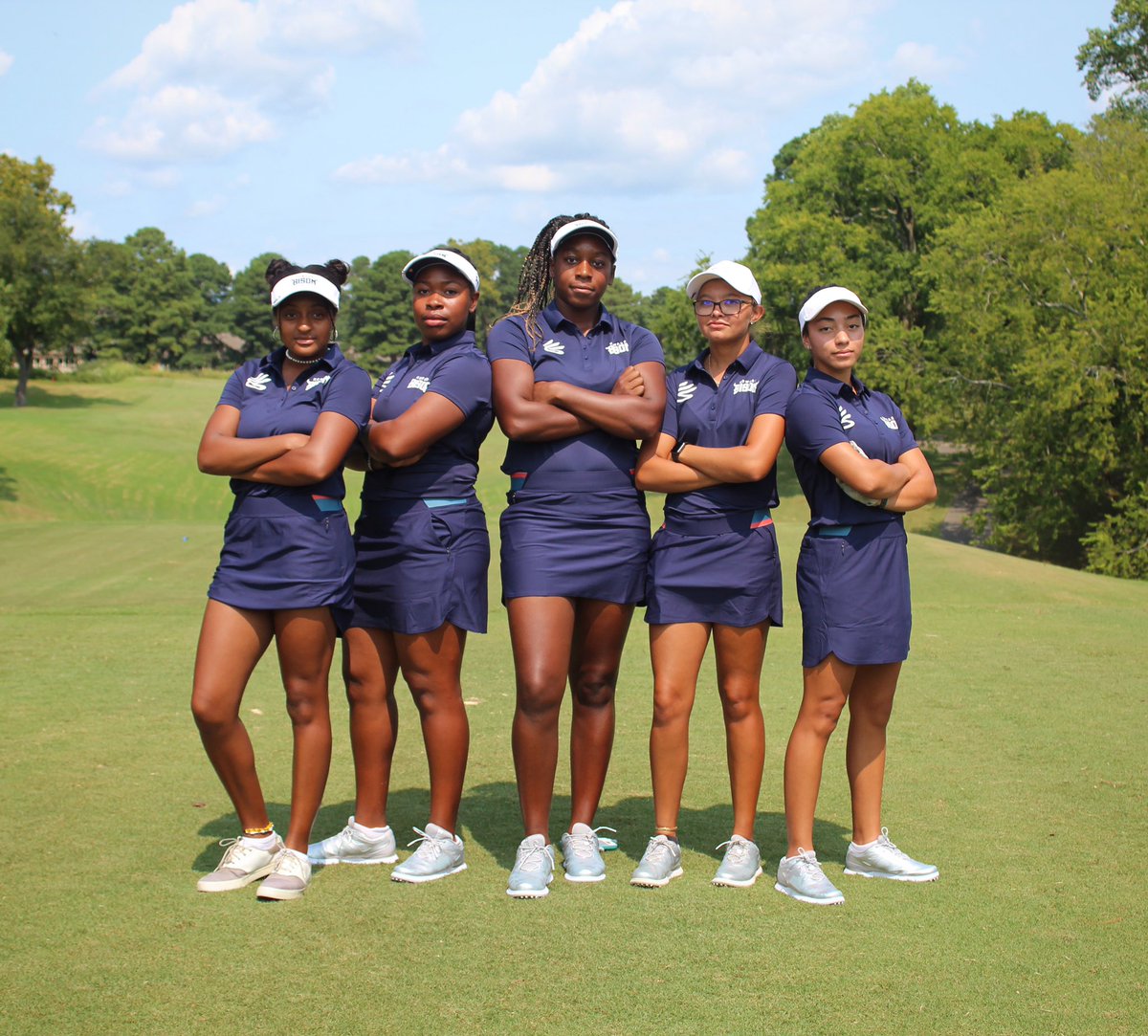
In the last year alone, Morgan State University, Norfolk State University, Bowie State University, Coppin State University, Tuskegee University, Clark Atlanta University, and several other institutions have launched or formalized women’s golf programs. These are not small gestures. These are institutional commitments — roster spots, coaching infrastructure, scholarship allocations, and competitive schedules. These schools are betting on women’s golf.
As the Sapphire Golf Tour, we believe this moment deserves more than a congratulatory headline. It deserves a serious, honest conversation about what this growth actually means — for the athletes, for the institutions, and for the sport itself.
The right questions to ask
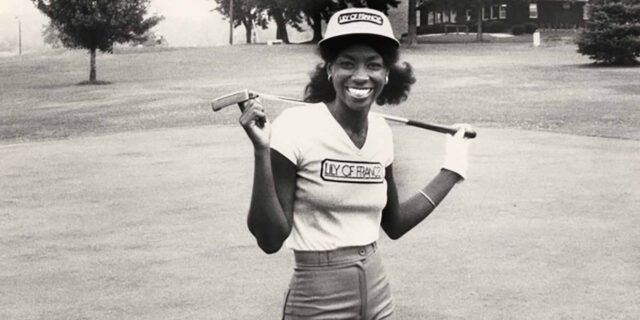
When institutions move this quickly, the instinct is to celebrate. And we should. The visibility of women of color in collegiate golf is being transformed in real time. These programs carry cultural weight that extends well beyond the sport — they send a message to young Black girls and girls of color across this country that golf is theirs too.
But institutional commitment alone does not fill a roster. And that leads us to ask some harder questions.
Are there enough young women of color — talented, golf-trained, scholarship-ready — to fill these spots? Are these institutions allocating enough scholarships, both academic and performance-based, to make participation genuinely accessible? And critically: if the answer to either of those questions is currently no, what does that mean for the long-term sustainability of these programs?
Growth at the collegiate level is only as strong as the pipeline feeding it. And right now, that pipeline — at the elementary, middle school, and high school levels — may not be robust enough to meet the moment.
The infrastructure gap
Golf is still, in many communities, a sport gated by access. Green fees, equipment costs, travel for junior tournaments, private coaching — these are not incidental barriers. They are structural ones. And while organizations like the USGA, PGA of America, and a growing number of local nonprofits have worked to address them, the reality is that grassroots programming for young women of color remains unevenly distributed across the country.
When collegiate programs expand faster than the feeder infrastructure can grow, you risk one of two outcomes: programs competing intensely for a limited pool of qualified recruits — potentially driving up scholarship offers to unsustainable levels — or programs settling into rosters that aren’t yet competitive, which can threaten the longevity of the program itself.
Neither outcome serves the young women these programs were built to support. Neither outcome serves the institutions that made the commitment. And neither outcome serves the broader mission of diversifying the sport.
The opportunity is real — and so is the responsibility
We want to be clear: we are not sounding an alarm for alarm’s sake. The growth of HBCU women’s golf programs is genuinely one of the most exciting developments in this sport in a generation. What we are saying is that this moment calls for proactive, coordinated investment in the infrastructure that makes that growth meaningful.
That means funding and scaling junior golf clinics in underserved communities. It means high school programs. It means after-school access. It means identifying talented young women early and creating pathways — mentorship, exposure, competition opportunities — so that by the time they are college-ready, the sport already feels like theirs.
It also means that the universities and athletic directors who have made these bold commitments should not be operating in isolation. They need partners — in the private sector, in civic institutions, and yes, in professional golf — who understand what they are trying to build and are willing to work alongside them.
Where the Sapphire Golf Tour fits
The Sapphire Golf Tour was built with this moment in mind — even before we knew this moment was coming.
Now entering our second season, the SGT exists as a national developmental professional tour for women — a professional landing pad for collegiate athletes who are talented, competitive, and ready to pursue the game beyond graduation, whether or not the LPGA is an immediate destination. We have always understood that for many of the most talented women of color in golf, the gap between college competition and professional opportunity is where careers stall and potential goes unrealized.
The expansion of HBCU women’s golf programs makes our work not just relevant — it makes it essential.
We are actively seeking partnerships with universities, athletic departments, and program administrators to help build the connective tissue between collegiate and professional golf. That means player development pipelines. It means exposure to professional competition during collegiate careers. It means mentorship, professional experience, and a community of women who have navigated this road before.
We are also committed to working at the grassroots level. Our junior clinic initiatives — including the upcoming free Junior Golf Clinic at the Bluff City Women’s Open in Memphis — are part of our long-term investment in making sure the next generation of HBCU recruits exists, is trained, and is ready.
A call to partners, athletic directors, and institutions
If you are an athletic director at an HBCU that has recently launched a women’s golf program — or is considering one — we want to talk. Not to sell you something. To build something together.
The Sapphire Golf Tour believes that a strong, sustainable HBCU women’s golf ecosystem and a strong Sapphire Golf Tour are not separate goals. They are the same goal. And we are committed to being a meaningful part of the infrastructure that makes both possible.
This is not a moment to simply celebrate and move on. This is a moment to build. And we are ready.
The Sapphire Golf Tour is a national developmental professional women’s golf tour now in its second season. The 2026 season opens April 9–12 in Memphis, Tennessee with the Bluff City Women’s Open at the Links at Pine Hill. Learn more at sapphiregolftour.com.