There is a market worth two point one trillion dollars that the biggest brands in the world are still treating as a footnote. It is not emerging. It is not aspirational. It is already here, already spending, already shaping what the rest of America buys. And every major sports league, every professional tour, every legacy golf brand has missed it.
Except one.
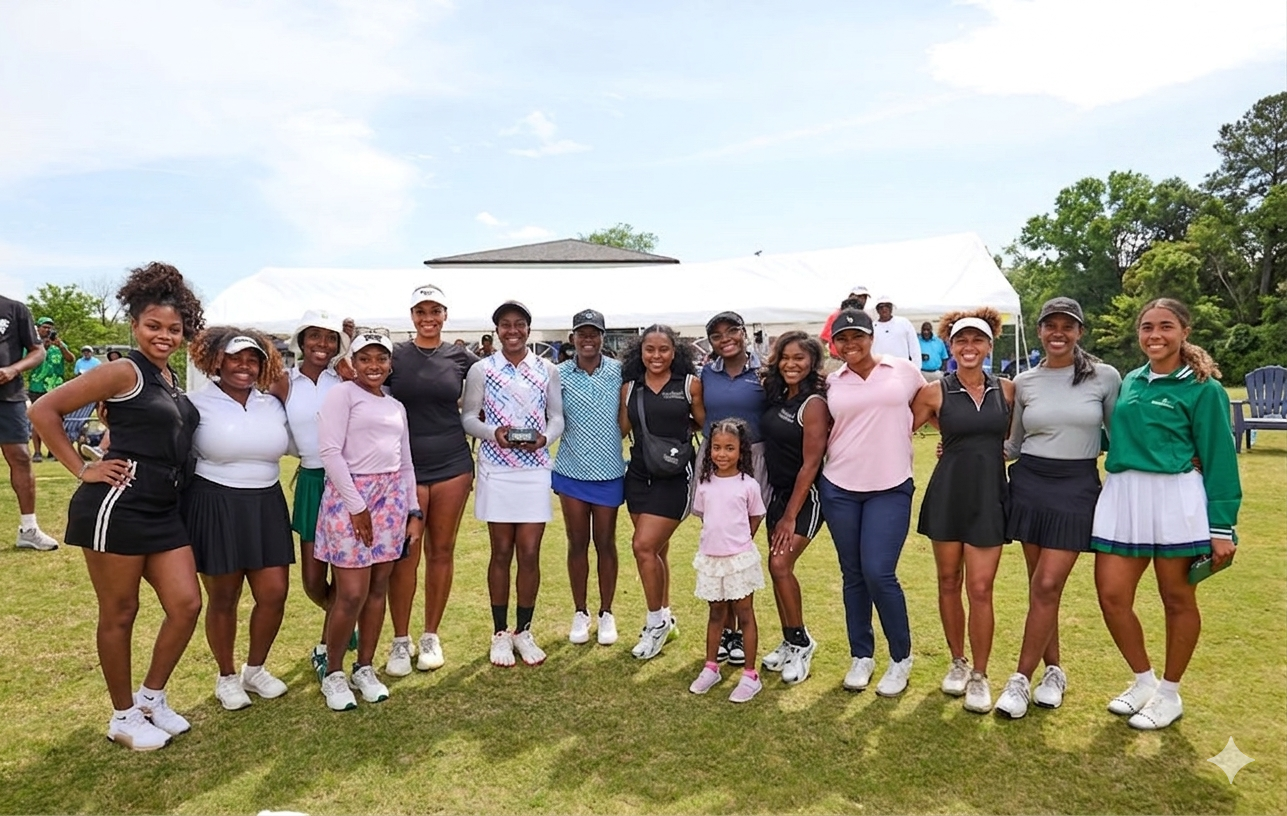
The Sapphire Golf Tour is not a developmental circuit. It is the only platform in professional sports built with deliberate, direct alignment to Black women—the most culturally influential and economically powerful consumer demographic in America. And the brands that recognize this first will own the next decade.
The Number Brands Cannot Afford to Ignore
By twenty twenty six, Black consumer buying power will reach two point one trillion dollars. Black households already account for fourteen percent of all United States discretionary spending—two hundred fifty nine billion dollars a year on non essential purchases. Black women specifically represent fifty two percent of the Black population and fourteen percent of all women in America, and they make the majority of household purchasing decisions across beauty, fashion, travel, wellness, food, and lifestyle categories.
But the buying power is only half of the equation. The other half is influence.
Black Women Do Not Follow Culture. They Create It.
Nielsen calls it the cool factor—a halo effect where Black consumer preferences cascade outward and reshape mainstream demand. When Black women adopt a brand, an aesthetic, or a movement, the entire market follows. This is why Mielle Organics built a loyalty empire. Why The Honey Pot reshaped feminine care. Why Fenty redefined an entire industry overnight. Why Black creators on Instagram and TikTok set the trends that everyone else copies six months later.
Sixty seven percent of Black consumers say they pay closer attention to brands that reflect their culture, compared to forty six percent of the general population. That is a twenty point gap in earned attention. In a marketplace where attention is the most expensive commodity a brand can buy, that gap is worth billions.
And yet, professional golf—an industry that has spent a century selling lifestyle, aspiration, and prestige to corporate America—has built almost nothing to access it.
The Pipeline Brands Have Been Waiting For
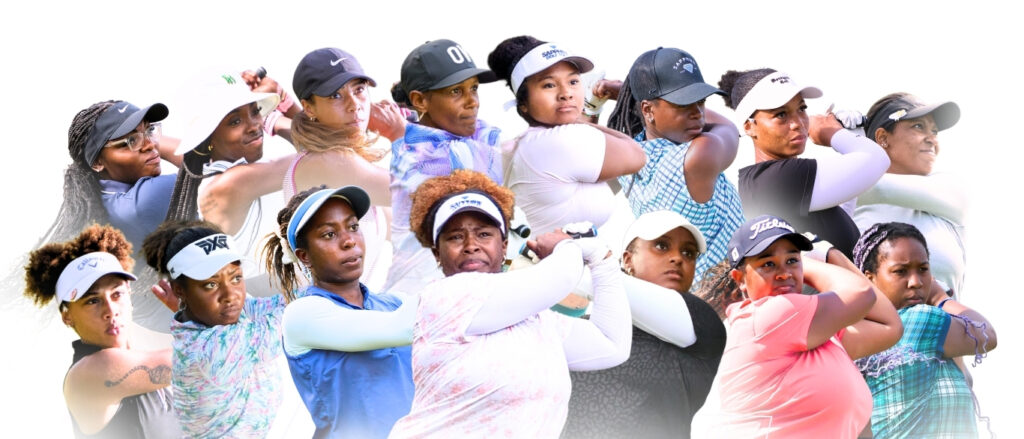
In seventy five years, only eight Black women have earned full LPGA Tour membership. Eight. Meanwhile, women’s golf programs at HBCUs have doubled in recent years, with thirty institutions now developing the next generation of elite Black women golfers. The talent is here. The pipeline is here. What has been missing is the platform.
That is what Sapphire builds. Not a charity initiative. Not a diversity gesture. A professional competitive ecosystem that converts an underserved talent pool into a generation of marketable, marketable athletes who carry direct cultural authority with the most powerful consumer demographic in the country.
What Naomi Osaka, Coco Gauff, and Hailey Baptiste Already Proved
Marketability does not always follow rankings. It follows resonance. Naomi Osaka became the highest paid female athlete in history not because she won the most—but because she carried cultural weight that brands could not manufacture anywhere else. Coco Gauff turned every match into a brand moment. Hailey Baptiste is doing the same thing in real time. Brands lined up because these women are not just athletes. They are cultural inflection points.
Sapphire players are the next chapter of that story—and they sit inside a sport with margins, audiences, and corporate sponsorship dollars that dwarf tennis. Golf is where Fortune Five Hundred CEOs spend their weekends. It is where deals get done. It is where lifestyle brands chase aspiration. Now imagine that same lifestyle ecosystem with direct, authentic access to the two point one trillion dollar Black consumer market.
That is not a sponsorship opportunity. That is a market entry strategy.
Why Sapphire Has More Brand Leverage Than Any Golf Property in History
Every legacy golf property—the PGA Tour, the LPGA, the major championships—was built for an audience that already existed. Sapphire is being built for the audience that brands need next. That is the difference. Legacy tours are defending a base. Sapphire is delivering one.
For Estee Lauder, Ulta, and Sephora chasing authentic engagement with Black women consumers. For travel brands and luxury destinations expanding into culturally resonant experiences. For athleisure, wellness, and lifestyle companies trying to convert influence into sales. For Fortune Five Hundred companies that have been writing diversity checks without strategic returns—Sapphire is the platform that turns cultural alignment into measurable revenue.
This is not philanthropy. This is positioning.
The Window Is Open. It Will Not Stay Open.
Women’s sports investment crossed one billion dollars in twenty twenty four and is projected to hit two point five billion by twenty thirty—a two hundred fifty percent increase. The capital is moving. The audiences are moving. The cultural moment is right now. The brands that move first will define the next era of sports marketing. The brands that wait will be paying ten times the entry cost in five years to access what Sapphire is building today.
Two point one trillion dollars in buying power. Sixty seven percent brand loyalty premium. Thirty HBCU pipelines. Eight Black women in seventy five years of LPGA history. The math tells the entire story.
The Sapphire Golf Tour is not the most important Black women’s golf tour. It is the most important brand investment platform in professional sports today—because it is the only one built at the exact intersection of cultural capital, consumer power, and competitive opportunity.
The brands that see this first will not just win golf. They will win the next decade of American consumer culture.